Wuthering Heights
Wuthering Heights is the remote, storm-battered farmhouse that serves as the primary setting of Emily Brontë's novel, a place of stark architecture, brutal emotional intensity, and haunting memories that shapes the lives of its inhabitants across two generations. More than a mere backdrop, the house itself is a character: its name, a significant provincial adjective, describes the atmospheric tumult to which its station is exposed in stormy weather. The building's physical structure—its narrow windows deeply set in the wall, its corners defended with large jutting stones, its grotesque carvings and the date '1500' and the name 'Hareton Earnshaw' over the principal door—announces a history of endurance and a lineage that will be contested and nearly destroyed. The house is a world unto itself, a place where the boundaries between the living and the dead, the past and the present, become terrifyingly porous.
Architecture and Atmosphere
The house is built to withstand the fierce northern winds, which are evidenced by the excessive slant of a few stunted firs at the end of the house and a range of gaunt thorns all stretching their limbs one way, as if craving alms of the sun. Inside, the family sitting-room, called 'the house' pre-eminently, includes kitchen and parlour, generally, though at Wuthering Heights the kitchen is forced to retreat into another quarter. The apartment is dominated by a huge fireplace, ranks of immense pewter dishes interspersed with silver jugs and tankards towering on a vast oak dresser, and a floor of smooth, white stone. The furniture is high-backed, primitive, painted green, with one or two heavy black ones lurking in the shade. In an arch under the dresser reposes a huge, liver-coloured bitch pointer surrounded by a swarm of squealing puppies, and other dogs haunt other recesses. The entire anatomy of the roof lies bare to an inquiring eye, except where a frame of wood laden with oatcakes and clusters of legs of beef, mutton, and ham conceals it. This is a space of raw, functional living, far removed from the elegance of Thrushcross Grange.
The Oak-Panelled Bed and the Ghost
A singular piece of furniture is the large oak case with squares cut out near the top resembling coach windows, which forms a little closet enclosing a window ledge that serves as a table. This is the bed where Lockwood sleeps and experiences his terrifying nightmare. On the ledge, he finds a few mildewed books, and the paint is covered with writing—the name 'Catherine Earnshaw' repeated in all kinds of characters, varied to 'Catherine Heathcliff' and then again to 'Catherine Linton.' It is in this bed that Lockwood dreams of the ghostly Catherine Linton, who sobs, 'Let me in—let me in!' and claims to have been a waif for twenty years. The room is so charged with the memory of Catherine that Heathcliff, upon hearing Lockwood's account, rushes to the window and wrenches it open, sobbing, 'Come in! come in! Cathy, do come. Oh, do—once more! Oh! my heart's darling! hear me this time, Catherine, at last!' The house is not merely haunted; it is a vessel for a grief so profound it refuses to accept the finality of death.
A House of Conflict and Degradation
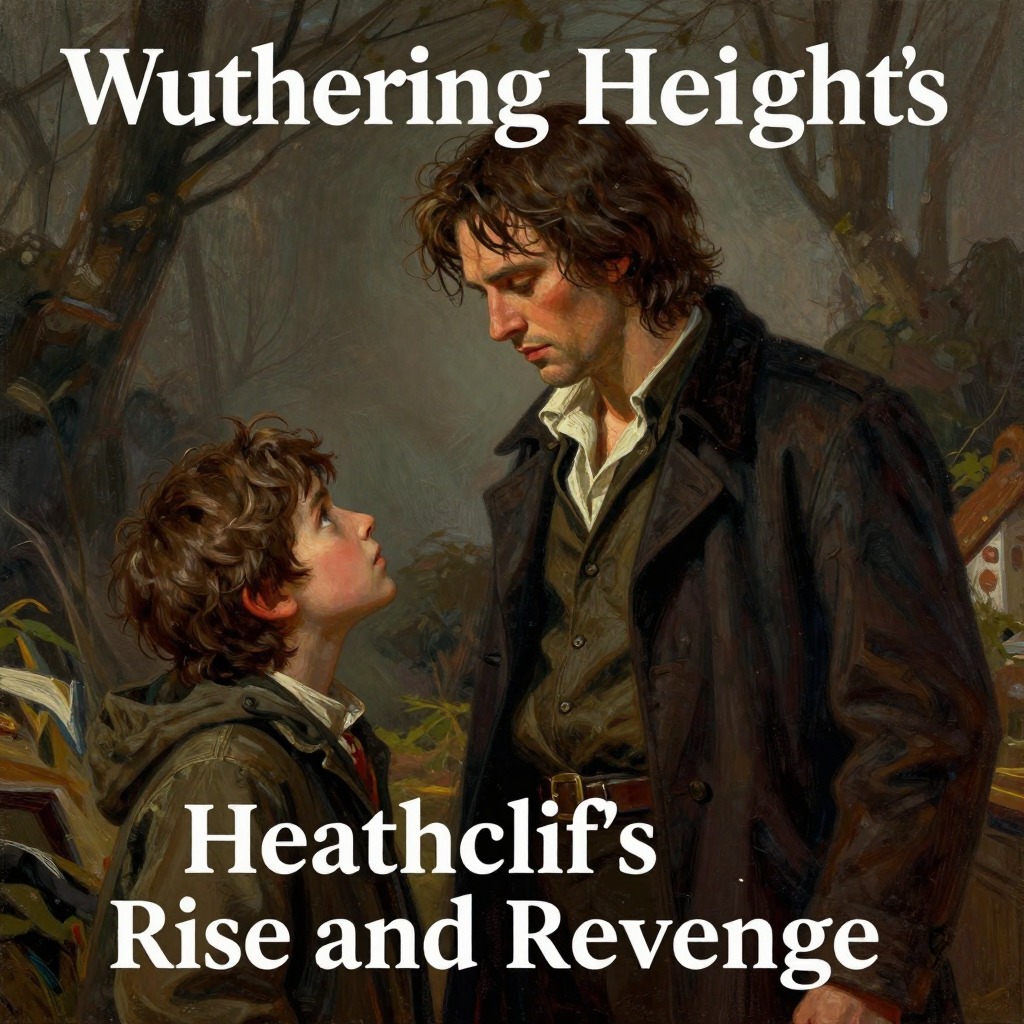
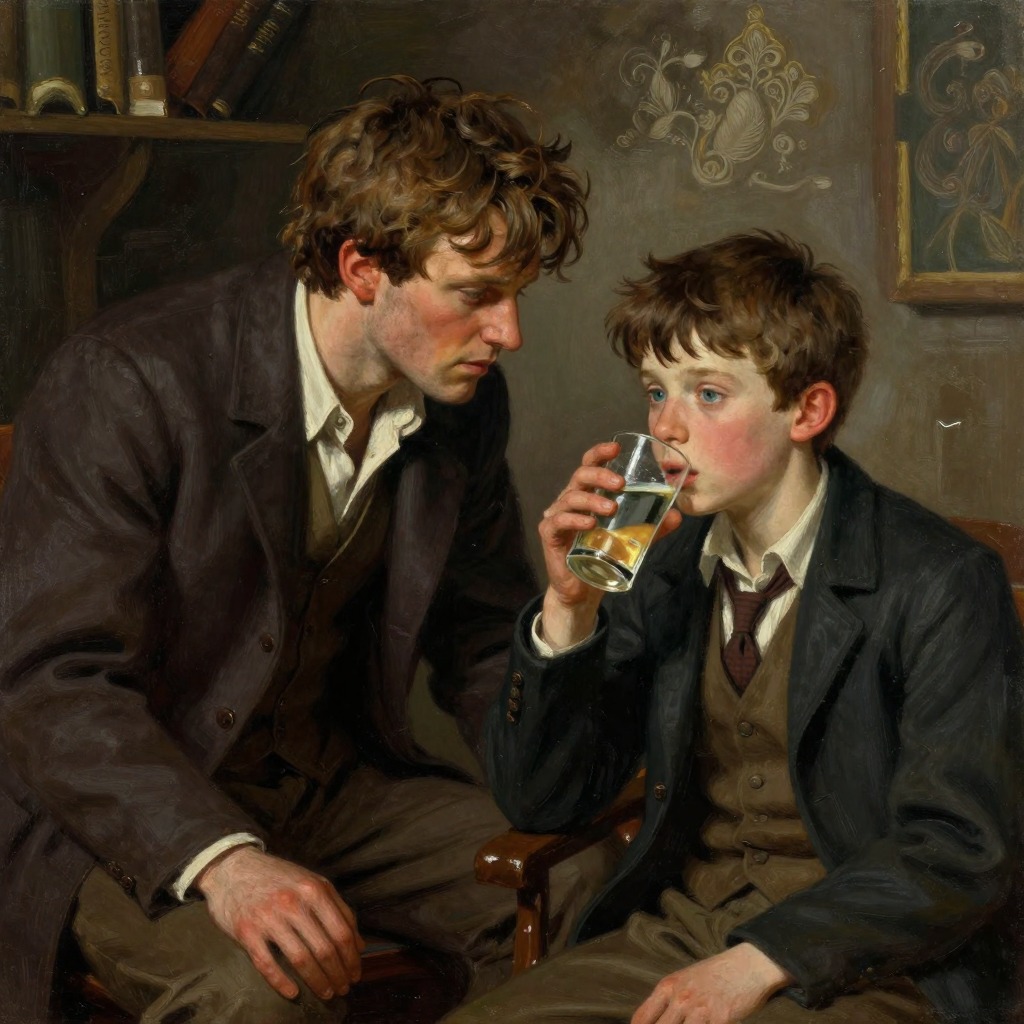
Under Hindley Earnshaw's rule, the house becomes an 'infernal house,' a place of reckless dissipation, drunken violence, and tyranny. The curate drops calling, and nobody decent comes near. Hindley's treatment of Heathcliff is enough to make a fiend of a saint, and the lad delights to witness Hindley degrading himself past redemption. The house's interior reflects this decay: after Isabella Linton arrives as Heathcliff's bride, she finds the once-brilliant pewter dishes tarnished and dusty, the handsome oak-bedstead with its crimson curtains wrenched from their rings, the chairs damaged, and deep indentations deforming the panels of the walls. The neglect is total. Later, under Heathcliff's mastery, the house regains a kind of grim order, but the master is too gloomy to seek companionship, and the scenes of riot common in Hindley's time are no longer enacted within its walls.
Transformation and Reconciliation
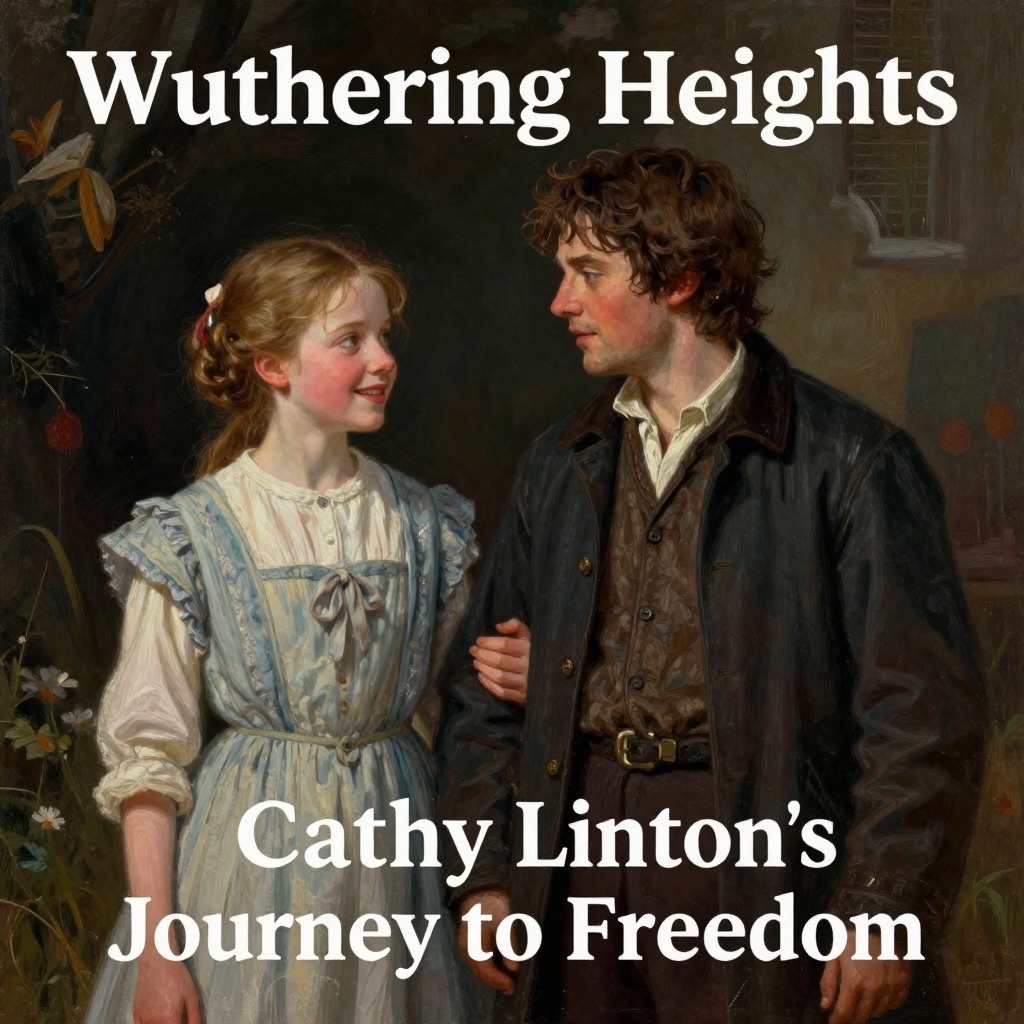
In the final phase of the novel, Wuthering Heights becomes the site of a slow, painful reconciliation. The house's kitchen, once a place of conflict, witnesses the thawing of the enmity between Hareton Earnshaw and the younger Catherine Linton. They are seen sitting together, their faces animated with eager interest, the red fire-light glowing on their two bonny heads. The house, which had been a prison for Catherine, becomes the place where she and Hareton, through teaching and learning, forge a new bond. The novel ends with the promise that the young couple will leave the Heights for Thrushcross Grange after their marriage on New Year's Day, leaving the old house to Joseph and the ghosts. Yet the final image is of the three headstones on the slope next the moor—Edgar Linton's, Catherine Earnshaw's, and Heathcliff's—and the quiet earth that holds them, suggesting that the true home of the novel's most passionate spirits is not the house itself, but the wild, eternal landscape that surrounds it.